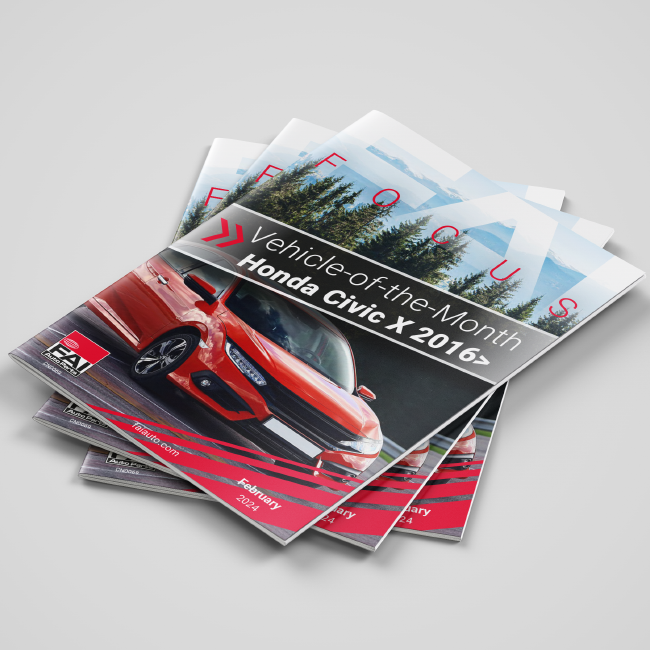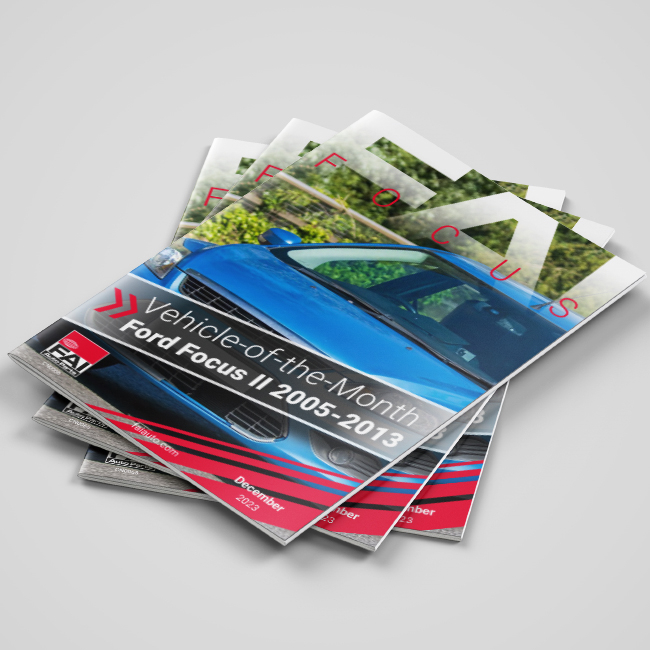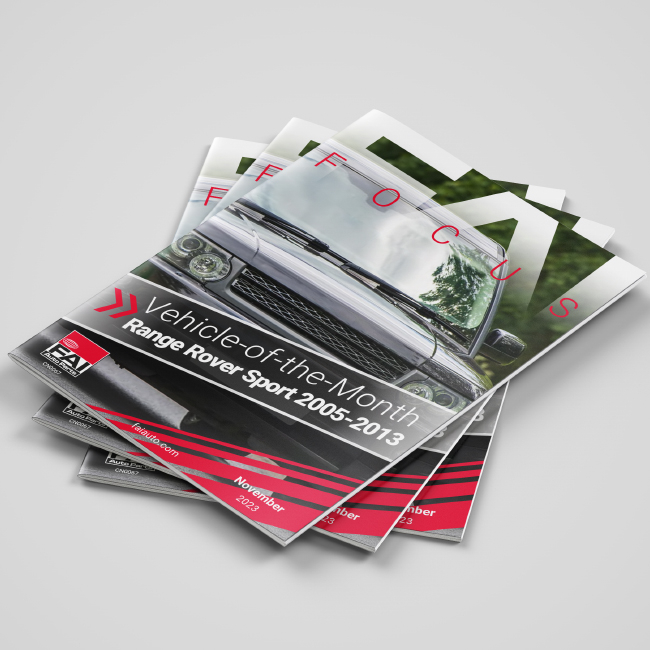














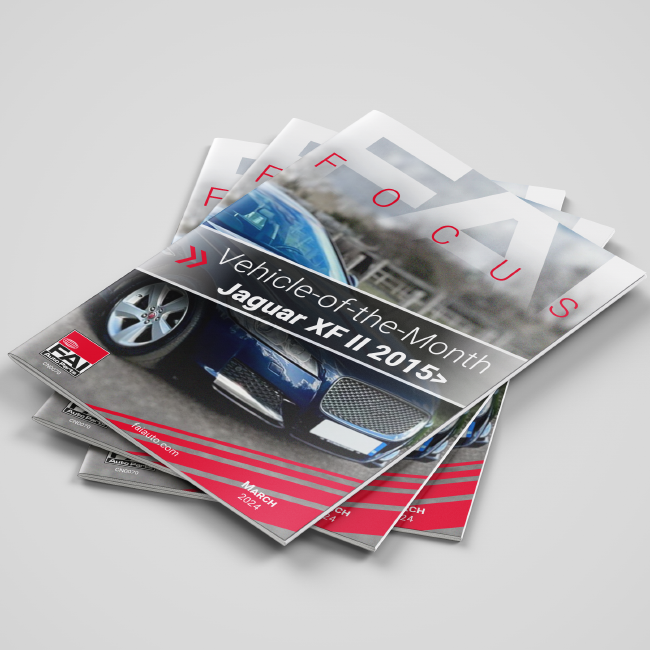
FAI Focus, the November edition of our monthly newsletter is now available. Check out our latest news, vehicle-of-the-month and new-to-range parts!
Read more
FAI Focus, the November edition of our monthly newsletter is now available. Check out our latest news, vehicle-of-the-month and new-to-range parts!
Read moreFAI Focus, the November edition of our monthly newsletter is now available. Check out our latest news, vehicle-of-the-month and new-to-range parts!
Read moreFAI Focus, the November edition of our monthly newsletter is now available. Check out our latest news, vehicle-of-the-month and new-to-range parts!
Read moreFAI Focus, the November edition of our monthly newsletter is now available. Check out our latest news, vehicle-of-the-month and new-to-range parts!
Read more